If you own an RV, truck, boat or multiple vehicles, you already know how quickly weather can take its toll. UV exposure fades paint and weakens seals. Heavy rain and snow increase maintenance demands. Even falling branches and debris can cause avoidable damage. What starts as minor wear gradually turns into expensive repairs that chip away at your investment year after year. The real question isn’t whether you need protection, it’s what type of structure will truly last.
When homeowners search for an RV cover or carport cover, many discover that temporary solutions rarely deliver long-term results. Fabric covers deteriorate under constant sun exposure. Lightweight frames shift in high winds or heavy snow. Short-term fixes often lead to repeated replacement costs and ongoing frustration. A properly designed timber frame structure, often built as a timber frame pavilion, offers a permanent and practical alternative. Instead of simply covering your vehicle, you build a structure engineered to protect it for decades.
What Is a Timber Frame Structure and Why Does It Work for Carports?
A timber frame structure is built using heavy posts and beams that carry loads efficiently through engineered joinery and structural connections. Unlike thin metal tubing or temporary framing systems, timber members provide structural mass and long-term stability. This makes the structure inherently strong against vertical loads such as snow accumulation and lateral forces such as wind uplift. Strength is built into the frame itself rather than added as reinforcement later.
For a carport cover or RV cover, that strength directly affects durability. The roof system must withstand weather without sagging, shifting or loosening over time. Timber framing distributes weight across beams and posts, minimizing stress points that commonly cause failure in lighter systems. When properly engineered and installed, it becomes a permanent shelter rather than a seasonal solution that requires ongoing replacement.
How Do You Use a Timber Frame Pavilion as an RV Cover?
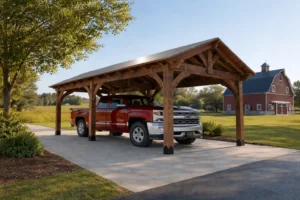
Using a timber frame pavilion as an RV cover begins with thoughtful design focused on clearance and access. RVs often measure between 11 and 13 feet tall, especially when rooftop air conditioners or storage pods are included. Planning at least two to three additional feet of clearance ensures safe entry and exit without risking damage to the vehicle roof. Adequate height also improves maneuverability and reduces parking stress.
The open-span design of a pavilion allows for easy navigation and natural airflow. Instead of fully enclosing the vehicle, the elevated roof provides consistent shade and weather protection while preventing moisture buildup. This balanced design reduces interior heat gain, protects exterior finishes and extends the lifespan of seals and roofing components. By using a timber frame pavilion strategically, you create protection without trapping humidity or restricting access.
How Do You Determine the Right Size for Your Carport Cover?
Proper sizing is essential for daily usability and long-term flexibility. Width should allow enough room to open doors fully and walk comfortably around the vehicle. For RVs, additional side clearance ensures slide-outs and storage compartments can operate without obstruction. Planning adequate space now prevents limitations later.
Length should extend beyond the vehicle’s footprint to protect bumpers, ladders and hitches from sun and rain exposure. Many homeowners also plan for future upgrades by building slightly larger than current needs. A well-sized timber frame structure ensures the carport cover remains functional even if your vehicle inventory changes over time.
What Foundation Is Needed for a Timber Frame RV Cover?
A permanent timber frame structure depends on a stable and properly engineered foundation. Concrete piers or slab foundations are commonly used, depending on soil conditions, frost depth and local building requirements. The foundation must support vertical loads while resisting lateral movement during storms or seasonal ground shifts.
Proper anchoring connects the timber posts securely to the concrete base. This prevents uplift in high winds and eliminates structural shifting over time. Investing in a strong foundation ensures the entire carport cover performs reliably for decades rather than just a few seasons. Structural integrity always begins below ground level.
What Roofing Options Work Best on a Timber Frame Pavilion?
Roofing material plays a major role in durability and long-term performance. Metal panels are a popular choice for RV covers because they shed snow efficiently, resist corrosion and require minimal maintenance. Their strength complements the structural stability of heavy timber framing.
Architectural shingles may also be used when homeowners want the structure to visually match the main residence. Roof pitch should be selected based on climate conditions, as steeper slopes improve drainage and reduce snow accumulation. Combined with the strength of a timber frame structure, the right roofing system ensures year-round protection and reduced maintenance demands.
Can a Timber Frame Carport Be Used for Other Purposes?
One of the advantages of building with timber framing is long-term versatility. While the primary goal may be to create an RV cover or carport cover, the structure can easily serve other purposes over time. Its open design supports flexible functionality without structural modification.
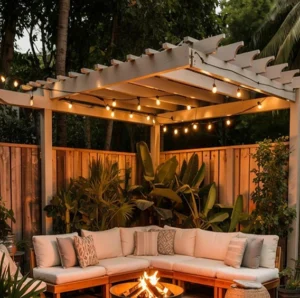
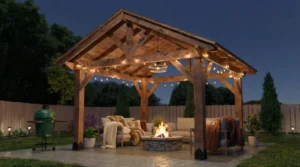
Homeowners often convert these structures into boat storage areas, outdoor gathering spaces, equipment shelters or workshop environments. Adding lighting, partial walls or electrical connections expands usability even further. Because the structural frame remains permanent and durable, adapting the space requires minimal investment compared to building a new structure.
Also Read: Top 10 Things to Know Before You Build an Outdoor Timber Structure
How Long Will a Timber Frame Carport Last?
Longevity depends on quality materials, engineering precision and routine maintenance. Heavy timber framing is known for structural reliability and resistance to load-related fatigue. When protected with appropriate finishes and roofing materials, it can perform consistently for decades.
Routine inspections, proper drainage and protective treatments further extend service life. Compared to temporary RV cover systems that may require replacement every few years, a timber frame structure offers dependable long-term performance. That durability transforms it from a simple shelter into a lasting property asset.
Also Read: Why Outdoors Pavilions Outlast Gazebos in American Backyards
Conclusion
Building your perfect carport cover or RV cover is not just about adding shade, it is about creating a permanent protective system for valuable assets. Temporary solutions may seem convenient at first, but they often fall short when exposed to sustained weather conditions. A well-designed timber frame structure delivers strength, stability and adaptability that lighter systems cannot match.
By using a timber frame pavilion for vehicle storage, you create a durable shelter capable of evolving with your needs. Whether protecting an RV today, housing additional vehicles tomorrow or serving a different purpose in the future, the structure remains a long-term investment. For homeowners seeking engineered craftsmanship and reliable performance, NORWEH Timber Frame provides precision-built systems designed to stand strong for decades.